

Jack Browne, Wichita Falls Times Record News edition, Sunday, March 15, 2026
At 71, I’m in my eighth decade of life, and when I look back, I see a long stretch of ups, downs, and the occasional train wreck. I’ve gathered friends across every era of my life, and my family, thankfully, is doing well — better than many.
I tend to my health while navigating the changes that come with age. I focus on what matters: the people I love, the communities I belong to, the unfinished purposes, the joy of learning anew, and the privilege of serving others.
Death and taxes, as the saying goes, don’t negotiate, no matter how prepared or unprepared we are.
I recently lost a dear friend, and though grief has its own rhythm, I also felt relief that his suffering from bone cancer came to an end. His faith carried him with a certainty that brought comfort to those around him, and I choose to believe he stepped into the joy he had long anticipated.
I am appreciative of the health care professionals who stand beside families in those last days, offering dignity, steadiness, and compassion when everything feels fragile. Their work reminds me that even when we can’t control outcomes, we can still influence how someone experiences their final moments, and that matters more than we often admit.
I’ve learned over the years that life rarely slows down just because we wish it would.
Things happen around us constantly — unexpected events, shifting plans, surprises that land without warning. Some people drift with the current, doing what needs to be done to get through the day, but I’ve always believed that each of us can shape our path more than we think.
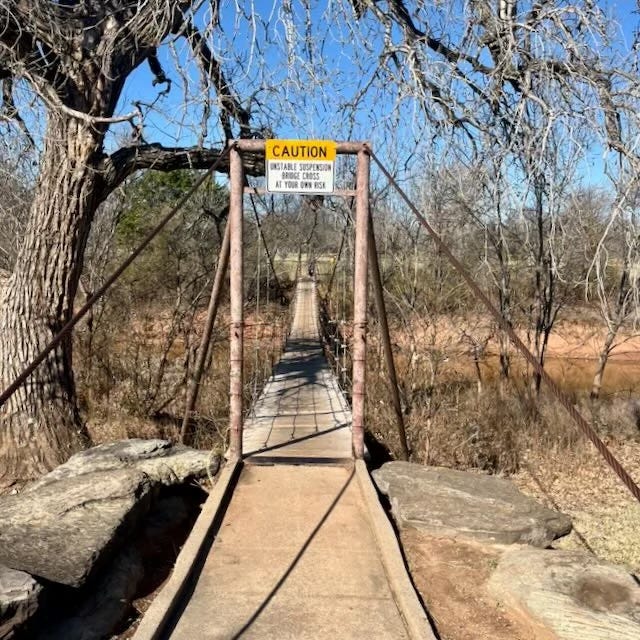
Choices matter. How we act on those choices matters. The sacrifices we make to keep our focus on what is important, rather than what simply feels urgent, become the defining lines of our days.
I’ve been tutoring a master of business administration student this semester in organizational behavior, and the conversations remind me how much I’ve seen, tried, failed at, and figured out along the way. Having managed large teams, I understand how psychology, structure, intention, and humility come together to shape meaningful leadership.
We’ve been exploring decision making, and every session takes me back to moments when I had to choose quickly, cautiously, or creatively. Maslow once said that if all you have is a hammer, every problem looks like a nail, and I’ve watched that play out more times than I can count.
Emotions flare, first impressions mislead, and people cling to familiar tools even when the situation demands something different. Sometimes the sheer number of possible solutions overwhelms even the most capable minds, and the discomfort of uncertainty pushes people into premature decisions.
Others double down on failing strategies because they can’t let go of sunk costs.
Today’s workforce is rich with diverse skills, and I’ve seen the magic that happens when one group generates solutions while another evaluates them. It’s a simple shift that prevents tunnel vision and opens the door to genuinely better options.
When solving problems our minds can trap us into seeing only what we expect. Dunker’s classic candle test is a perfect example, well explained in Dan Pink, the “Candle Problem” at
Given a candle, matches and box of tacks, your problem is to stick the candle to the wall. Most people don’t realize the box holding the tacks is part of the solution.
As in life, we get so locked into an assumed purpose that we miss the possibility sitting right in our hands. We hurry to prove competence. Quick solutions are often praised more than thoughtful ones, even when they cost us more in the long run.
NASA’s Lunar Trailblazer mission to find and map water on the Moon is a painful reminder. Brilliant people, working under pressure, missed a flaw in the solar panel orientation software, and the spacecraft was lost within a day. One small oversight became a total mission failure as the panels pointed away from the sun.
Emotions come to mind as my arthritis acts up or when feeling the warmth of another sunrise with both reminding me, I’m still alive and have choices today.
Every day is another amazing chance to look closer, pause longer, and consider the day’s problems as opportunities I might have missed before.
Jack Browne is a community activist and former technology executive who believes in the power of connection and service.