

Jack Browne, Wichita Falls Times Record News
Sunday, June 21, 2026
“Don’t mess with Texas” is more than a state-wide message. It is a standard we can choose to live by locally as well.
Each day I walk the street leading from my home into a neighboring area, and each day I pick up what others leave. Bottle caps, cigarette packs, and fast-food bags show up again and again.
By week’s end, I fill three trash bags with litter someone else decided was not worth carrying a little farther. That pattern tells us something about habit, expectation, and what we tolerate.
When something repeats often enough, it stops surprising us and starts defining us. Litter is not just trash; it signals how we treat shared space. It reveals whether we see our streets as an extension of home or a place where responsibility ends once the window rolls up. The distance between tossing and carrying something home is small, but the mindset gap is wide.
One choice assumes someone else will handle it; the other claims ownership. I saw that difference on Sunday. While mowing, a pickup hauling tree trimmings turned into the alley and backed toward a bend. The driver started dumping the load into brush along a city easement.
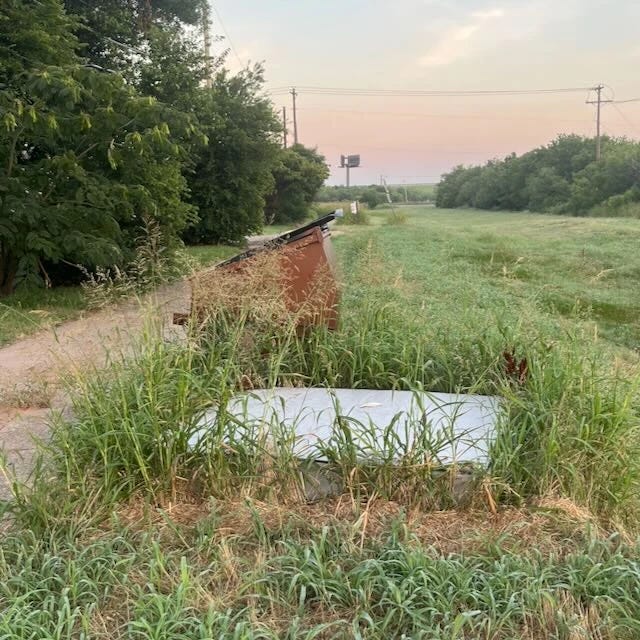
I called the nonemergency line, shared the plate and description, and waited. An officer arrived withing 15 minutes, but the driver was gone. The system worked, yet timing limited the outcome.
Moments like that can frustrate, but they also reveal opportunity. Reporting matters, and details matter more. Photos, plates, and clear descriptions improve results, but enforcement alone cannot outpace a culture that accepts littering.
If behavior feels normal, it continues. Texas faced this decades ago. In 1986, leaders launched a campaign to reduce roadside waste and clean up highways. It worked because it connected pride with responsibility. People protect what they believe belongs to them.
Wichita Falls can apply that idea now. Real change requires a message that is local, visible, and repeated. Leaders, business owners, teachers, and neighbors all reinforce expectations. When people see pride in action, behavior shifts over time. Culture forms through repetition, and visible examples create pressure to follow.
Making the right choice easier also matters. Residents hauling debris have a proper destination at the transfer station on Lawrence Road, available to those who pay for city trash services. Clear information about location and hours reduces excuses. Pairing access with simple reporting tools gives residents practical ways to respond. Consistent use strengthens accountability.
Community cleanups build momentum. When people show up, others notice. Small wins, like a cleaner block, signal progress. Over time, those signals reshape expectations across neighborhoods. This comes down to ownership. Clean streets do not happen by accident or because a few people carry the burden.
They happen when individuals decide their place matters. That means carrying trash longer, using proper facilities, and speaking up when something is wrong. Pride is not a slogan; it is a pattern of behavior. When practiced consistently, others notice and follow. Culture shifts when ordinary routines change, when drivers keep trash in the car, when contractors secure their loads, and when neighbors engage respectfully.
Encouraging that shift requires reminder and reinforcement. Signs, campaigns, and consistent messaging keep the issue visible. Recognition matters too, because people respond to positive feedback.
Schools, civic groups, and workplaces can promote shared responsibility. Over time, participation grows and the norm strengthens. Accountability remains essential, but it works best alongside ownership. Reporting violations documents problems, and follow-up reinforces standards. Together, these actions produce a cleaner, safer, more respected community. That outcome is achievable if enough people act.
Each small decision contributes to something larger, shaping how Wichita Falls looks and feels. In the end, pride becomes visible through daily action, not words alone. Together, we define the standard.
Start with a simple step: keep a litter bag in your car and use it every day. Small habits scale when they are shared and repeated across a city. One neighbor modeling care influences another, and that example compounds over time. Conversations also matter. A quick, respectful reminder can reset expectations without creating conflict.
The goal is not perfection, but progress sustained through consistency. When standards are clear and visible, more people choose to meet them.
That is how communities improve, one decision at a time. Keep going, keep modeling, and keep expecting better from ourselves and each other. The result is momentum that sustains itself, where pride becomes the default and neglect stands out as the exception — not the norm anymore — in our community.
Jack Browne is a community activist and former technology executive who believes in the power of connection, service, and lifelong learning.