

Jack Browne, Wichita Falls Times Record News
Sunday, May 31, 2026
NASCAR two-time Cup Series champion Kyle Busch passed away May 21 as severe pneumonia progressed into sepsis. Last week’s Coca-Cola 600 became a place of remembrance, not just competition, as peers paused to honor a driver who refused to coast.
Dale Earnhardt Jr. narrated a video tribute that traced Busch’s improbable start at 16 in the Craftsman Truck Series and the relentless arc of a 22-year pursuit of excellence.
It ended with Busch explaining why winning races never gets old: “because you never know when the last one is.”
That sentence lingers because it applies far beyond a racetrack. Busch hated to lose, not out of spite, but out of respect for the opportunity. He wanted to be considered among the greatest, and he worked toward that goal every single day.
The lesson is not about trophies; it is about standards. Showing up prepared, competing honestly, and emptying the tank regardless of conditions is a character choice.
Earlier this week I spoke with a father wrestling with expectations for his children. He said he wants them to do their best. If an A is within reach, pursue it. If a C is the best they can do, accept it, provided the effort was real.
That wisdom mirrors Busch’s ethic. Results matter, but integrity in the attempt matters more. Effort is the one thing we can always control.
Six years ago, the world changed as cumulative COVID-19 deaths reached 100,000. Overnight we scattered into isolation, meeting on screens and learning to live apart. Social media filled the gaps, clustering us into like-minded groups curated by algorithms. When disagreement felt uncomfortable, we unfollowed others. Community became convenient — not courageous.
The consequences show up everywhere. We are more tribal, keeping company with those who think like us and avoiding the rest.
Returning to offices sparked rebellion as if the basic covenant of employment had vanished. Inflation pinched, resentment grew, and anxiety followed as automation and artificial intelligence threatened familiar roles.
Standards slipped as fairness became subjective and obligations felt optional.
Busch’s legacy offers a counterweight. Tenacity is not stubbornness; it is service to the moment. It is respecting teammates, competitors, and fans enough to give them your best. That mindset belongs in families, workplaces, and neighborhoods.
Being present, prepared, and accountable is how trust is rebuilt.
Service extends beyond our own circles. In trying times, communities depend on nonprofits that stand in the gap, feeding families, tutoring children, caring for seniors, and restoring hope. Supporting them with time, talent, and treasure is not charity; it is stewardship.
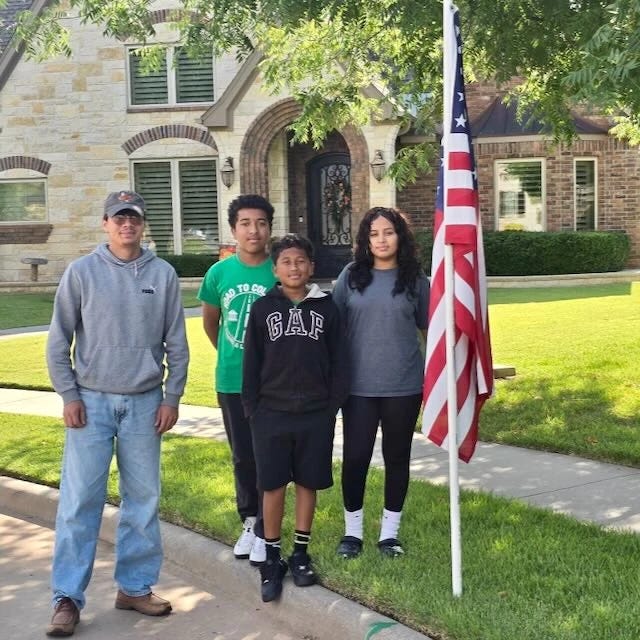
When we volunteer skills, mentor generously, or give consistently, we strengthen the social fabric frayed by distance and division.
The question is personal. How are you doing?
Are you modeling the discipline and grace your children and peers need? Excellence is contagious. So is apathy. Choosing the former requires daily decisions to listen across differences, to work with purpose, and to contribute beyond ourselves.
We can be better as a people if we remember why effort matters. Life, like racing, is uncertain. The green flag drops without warning, and the checkered flag arrives too soon. Do the work. Serve others. Race every lap like it could be the last.
Work is one of the primary places character is practiced. A fair day’s pay for a fair day’s work is not nostalgia; it is a promise that cuts both ways.
Employers owe clarity, safety, and respect. Workers owe effort, honesty, and accountability. When either side breaks the covenant, cynicism spreads. Rebuilding it starts with small, visible acts: arriving on time, preparing for meetings, coaching instead of complaining, and measuring success by outcomes that help customers and colleagues alike.
In a world anxious about replacement by machines, the most durable skills remain human ones — judgment, empathy, reliability, and the willingness to learn. Communities thrive when those skills are shared, especially with organizations doing hard work in hard places.
Donate hours to a food pantry, offer expertise to a shelter’s board, sponsor a student, or fund a scholarship. These investments multiply, restoring dignity and opportunity where they are needed most.
Leadership is rarely loud. It is consistent.
It shows up on ordinary days, chooses collaboration over contempt, and treats differences as data, not threats. When we practice that posture, workplaces heal, families steady, and neighbors rediscover common ground worth protecting together.
Standards matter, especially right now.
On a quiet night after a long day, a father tightens a loose bike chain, steps back, and smiles as his child rides off steady and confident.
Jack Browne is a community activist and former technology executive who believes in the power of connection, service, and lifelong learning.