

Jack Browne, Wichita Falls Times Record News, November 1, 2026
There is an old saying that everyone is fighting a battle we know nothing about.
Nowhere is that more evident than when an unhappy customer walks through the door, calls on the phone, or sends an email.
They may be frustrated, disappointed, or angry. Sometimes they are reacting to a real mistake. Sometimes they are simply having a bad day unrelated to your company.
Customers rarely separate their emotions from their experiences. To them, the experience is the emotion.
That is why leaders and employees do not get the luxury of having bad days when customers need them most.
Of course, everyone has difficult days. We get tired. Systems fail. Deliveries are delayed. Workloads increase.
But customers do not judge us by the challenges we face. They judge us by how we respond.
Years ago, I wrote that leaders don’t have bad days. Looking back, perhaps the better lesson is that leaders don’t pass their bad days on to others.
The same principle applies to customer service.
Customers are not looking for perfection. They are looking for confidence. They want someone who will listen, understand, and help solve a problem.
Think about the businesses you remember most. Usually, it is not because everything went perfectly. It is because someone stepped up when something went wrong.
An airline found another route after a canceled flight. A retailer fixed a shipping mistake. A restaurant manager took ownership of a bad dining experience.
Problems happen. What customers remember is the response.
At Motorola in the late 1980s, one of our newest products entered production in more than 100 customer systems worldwide when we discovered a manufacturing issue.
Within days, teams were informing customers about what we knew and what we didn’t know. The problem could affect product quality, and our customers deserved complete transparency.
I visited Steve Jobs at NeXT, the company he founded after leaving Apple. When I explained the situation and assured him Motorola would pay for any field service required, he exploded.
“My money doesn’t break. I don’t expect your products to break.”
Then, during our discussion, I received confirmation that none of the affected product had been shipped to NeXT.
Steve paused and replied, “That’s why we picked Motorola as our partner. You keep us informed of the risk and partner for both of us to succeed.”
Prompt, proactive action strengthened the relationship.
That experience taught me that systems and playbooks matter. Great organizations prepare employees for difficult moments before those moments arrive.
When customers are upset, employees should know exactly what to do.
First, listen completely.
Most unhappy customers want to be heard before they want a solution. Interrupting, defending, or explaining too quickly often makes the situation worse.
Second, acknowledge the issue.
You do not need to accept blame for everything, but you can recognize frustration. A simple “I understand why you’re disappointed” can lower tension immediately.
Third, own what you can control.
Customers care less about excuses than outcomes. Focus on solutions and next steps.
Fourth, communicate clearly.
Uncertainty creates anxiety. Let customers know what will happen, who is responsible, and when they can expect follow-up.
Finally, follow through. Trust is built when actions match promises.
Excellence is not delivering great service on easy days. It is delivering great service on difficult ones.
Empathy is not agreeing with every complaint. It is understanding what another person is experiencing.
Purpose is recognizing every customer interaction as an opportunity to make someone’s day a little better.
Many unhappy customers expect resistance, indifference, or excuses. When they encounter patience, professionalism, and genuine concern instead, relationships often improve.
Customers will occasionally have bad days. Employees will occasionally have bad days.
Leadership begins when we choose not to let one become the other.
The organizations that earn lasting loyalty are the ones whose people rise to the occasion when mistakes and frustrations inevitably occur.
Customer satisfaction is not about transactions. It is about trust, built one difficult conversation at a time.
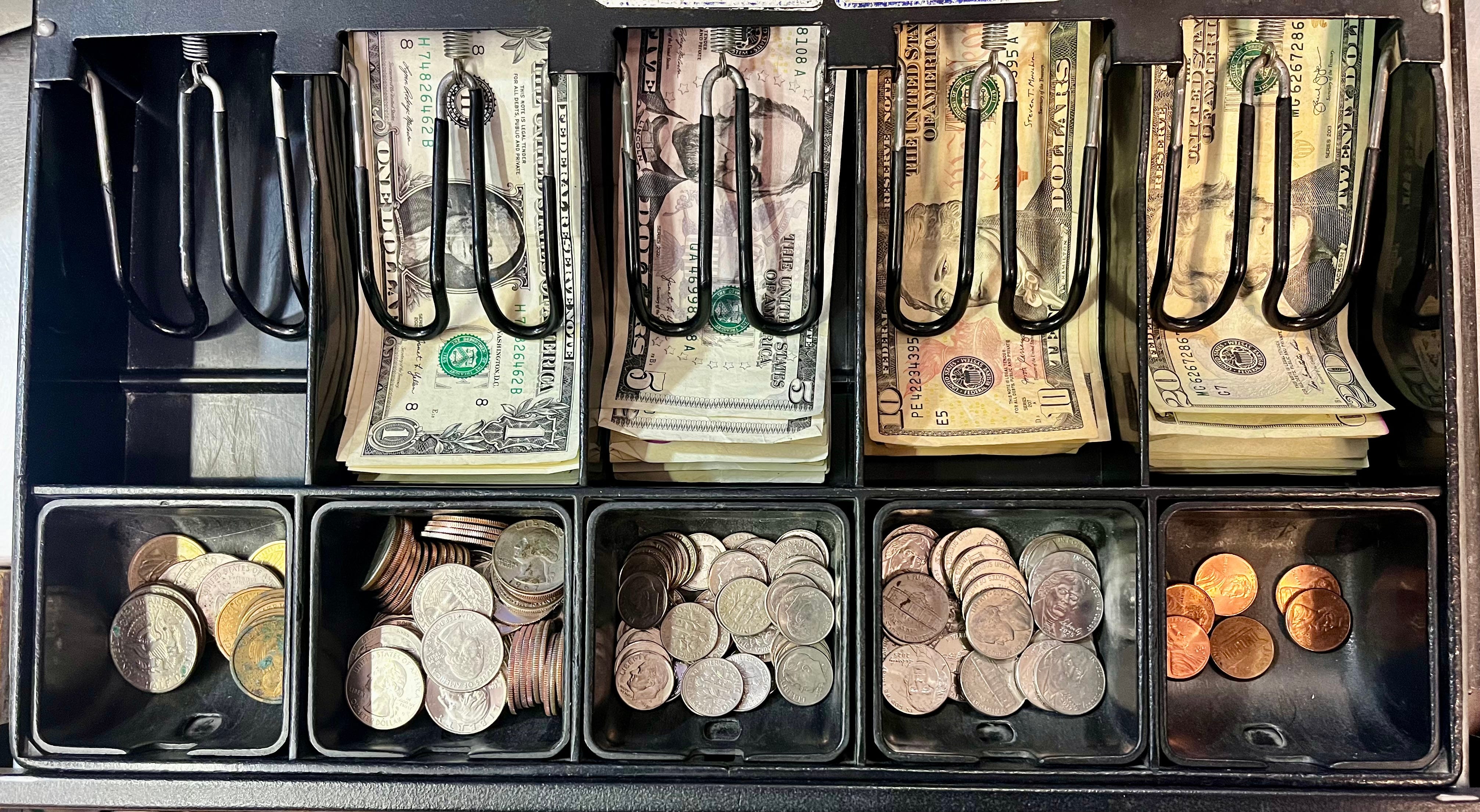
Remember: the experience is the emotion. Give customers an experience worth remembering.
Jack Browne is a community activist and former technology executive who believes in the power of connection, service and lifelong learning.