

Jack Browne, Wichita Falls Times Record News
Sunday, August 2, 2026
Dreams don’t become reality because they’re brilliant.
They become reality because people commit to the work, the handoffs, and the accountability that turn an idea into a living, breathing enterprise.
Every great idea starts the same way: a spark, a conversation, a circle of trusted voices who say, “You’ve got something here.” That early validation feels electric. It feels like lift‑off.
You gather your founding team — your A players, the ones who finish each other’s sentences and see around corners. They’re aligned, energized, ready to build.
Then comes the next dozen hires, the doers who turn vision into execution. Development, marketing, sales, operations — each group owning a piece of the dream and pushing it forward.
That’s when reality shows up — not the glamorous part, but the part that separates contenders from pretenders.
Execution isn’t just about doing your job; it’s about serving your internal customer with the same urgency you show your external one. Young teams struggle with this.
They assume alignment instead of building it. They hope communication will happen instead of ensuring it.
A friend recently shared a moment that captured this perfectly. His team needed support from another group to hit a critical metric. He reached out.
The reply came back: “I’ll look into it.”
And then—silence.
The result was 24 hours of lost momentum, 24 hours of opportunity cost and 24 hours of a team stuck in place.
In tech, where customers have endless choices and competitors call your clients daily, “I’ll look into it” is never enough.
The standard I learned — and taught — is simple: give a date for a date. You may not know the solution yet, but you can commit to when you’ll know. “I’ll look into it and give you a date for a solution by Tuesday.”
That’s accountability. That’s respect. That’s how teams win.
Opportunity cost is the silent killer of execution. We all get the same twenty‑four hours. Spend them on the wrong priority, or fail to give a committed response, and the moment is gone. The play breaks down.
Imagine Dak Prescott in Week 7 against Washington. With four and a half minutes left in the first quarter, he calls the play: “CeeDee, go deep. I’ll hit you.”
Now imagine CeeDee Lamb replying, “I’ll look into it.”
The stadium would groan. Instead, he breaks open, signals he’s ready, and turns a 74‑yard touchdown into momentum, confidence, and belief as the Cowboys grow their lead throughout the game.
Teams win because they trust each other to run the play. Predictable execution creates repeatable success. Repeatable success builds resilience. Resilience overcomes odds.
Day one of any new team feels overwhelming.
You’ve got talent, ambition, and opportunity — but not yet trust. A shared playbook, practiced handoffs, and repetition build that trust.
Whether you’re winning customers, donors, or community support, success compounds when communication is crisp and commitments are honored.
A dream is a powerful starting point, but dreams need nurturers — people who support, adapt, and evolve the idea as reality unfolds.
Most people aren’t asking for perfection. They’re asking for partnership. Give them that, and they’ll reach for the stars without fear of criticism, rebuke, or dismissal.
Jack Browne is a community activist and former technology executive who believes in the power of connection, service, and lifelong learning.
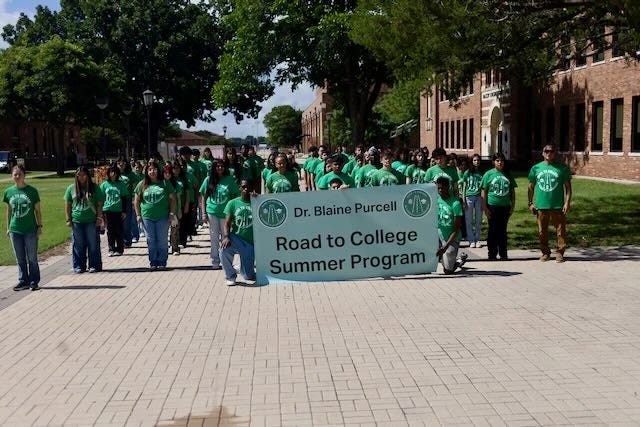
Photo Caption: