

Jack Browne, Wichita Falls Times Record News
Sunday, October 18, 2026
Hearses don’t have trailer hitches.
You can’t take your possessions, titles, accomplishments, or bank account with you. What you leave behind is something far more important: your impact on other people.
The question is simple but uncomfortable.
How do you spend your time?
Most of us spend our days responding to the urgent rather than investing in the important. Emails arrive. Phones ring. Deadlines appear. Unexpected problems demand attention. Before long, another week passes and we realize we made progress on everyone’s agenda except our own.
Over the years, I have been fortunate to learn from people who challenged me to think beyond the next week, month, or quarter.
One of the best bosses I ever had, Tom, often reminded me, “Work to be effective, not right.”
At first, that sounded odd. Many of us spend enormous energy proving we are correct. Yet effectiveness is about producing results, not winning arguments. It requires focusing on what matters most and investing time where it creates lasting value.
Tom also talked about life in terms of 10,000 days.
Ten thousand days sounds like a long time until you realize what can happen during that period. We meet our future spouse, build a career, raise a family, watch children become adults, then you become empty nesters preparing for retirement.
Children spend roughly 5,000 days moving through kindergarten through twelfth grade preparing for adulthood. Life’s major chapters arrive and pass much faster than we expect.
The challenge is that we tend to live as if time is unlimited.
In my technology career at Motorola, we worked with development cycles measured in years. Customers would not commit to a product based on one generation of technology. They needed confidence that multiple future generations were already being planned.
Our teams learned an important lesson. While the vision might stretch years into the future, progress occurred by focusing on the next critical milestone. We called it moving “half-way to the wall.” Rather than becoming overwhelmed by the entire journey, we concentrated on the next difficult step while keeping the long-term objective in sight.
The same principle applies to life.
You do not have to know every detail of your future plan. You do need a direction.
Along the way, life will interrupt your schedule. Inflation happens. Recessions happen. Job changes occur. Loved ones are born, and loved ones pass away. The road rarely follows a straight line. A good plan is not rigid. It is resilient.
Several recent experiences have reminded me of this reality. The loss of friends and family members often leaves surviving loved ones facing difficult decisions and unexpected responsibilities. One friend recently described the challenge of sorting through years of files, papers, and financial records while grieving the loss of his spouse.
It was a powerful reminder that planning is not solely for ourselves. It is also an act of service to those we care about.
That idea connects strongly to another lesson I have written about before: commitment versus involvement.
Being involved means participating when convenient. Being committed means taking actions today that create benefits tomorrow. Commitment shows up in family meetings, written family goals, financial planning, mentoring others, and preparing future generations for success.
My friend Gonzalo Robles works tirelessly helping students become the first in their families to attend college. He often asks his students three simple questions:
Who are we?
Where are we going?
How are we getting there?
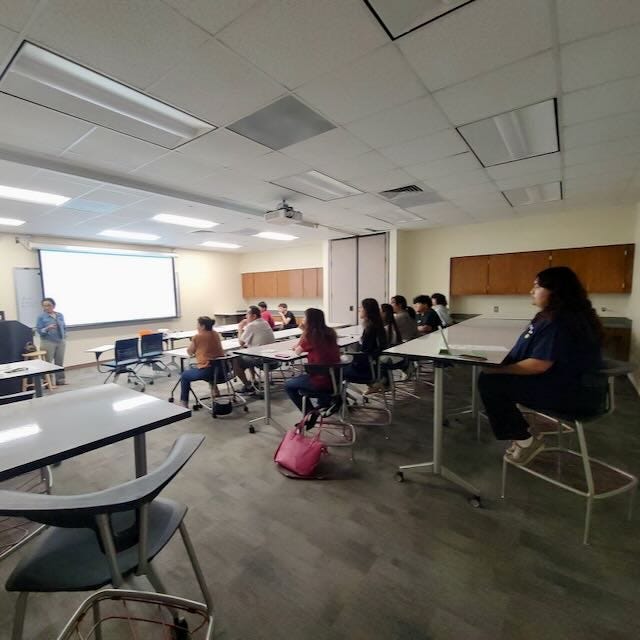
Those three questions work just as well for adults as they do for students.
If you do not know where you are trying to go, every distraction becomes a destination.
So how do you start?
Write down who you want to become. Write down what matters most. Write down the people you want traveling with you on the journey. Then take one step.
Not ten steps. Not the entire plan.
Just one.
The future is built through small daily investments repeated over time. Your legacy will not be determined by what you accumulated. It will be determined by the lives you influenced, the people you served, and the opportunities you created for others.
After all, hearses don’t have trailer hitches.
But they do leave tracks behind.
That is your legacy.
Jack Browne is a community activist and former technology executive who believes in the power of connection, service, and lifelong learning.